
Anti-wrinkle injections
What is Anti-wrinkle injections?
Anti-wrinkle injections are cosmetic treatments designed to temporarily relax targeted facial muscles to soften the appearance of dynamic lines and wrinkles.
important
No mention of migraines, TMJ, or medical conditions
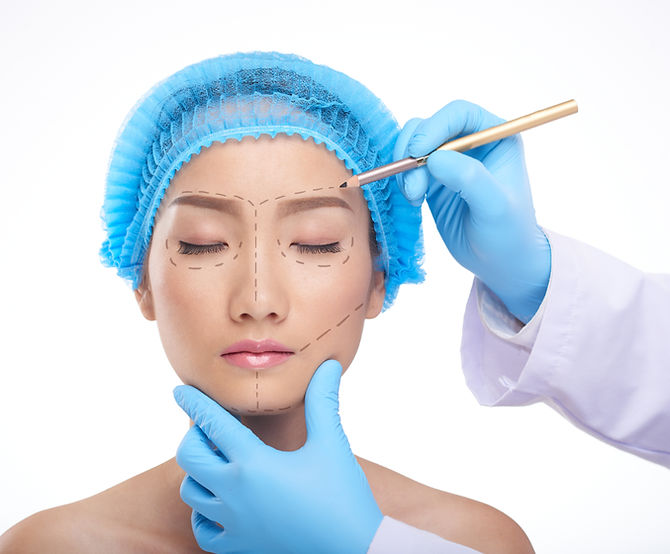
Is Anti-wrinkle injections painful?
The procedure is done using a very fine needle. It is minimally invasive and it is generally not painful however there may be some minor discomfort.
A topical anaesthetic can be applied to numb the area to make it more comfortable.
Note: a patch test will be required prior to this.
Areas that can be treated include:
Crows feet
Forehead
Frown lines
Bunny lines
Gummy smiles
Smoker’s/Lip lines
Platysmal bands (turkey neck)
Jawline (Nefertiti Lift)
Relaxing of jaw muscle
Chin dimpling
Brow lift
Also Hyperhidrosis (Excessive Sweating)
Is it safe?
As with any medical procedure there can be potential risks involved. Generally serious complications are rare. Potential side effects of aesthetic treatments are listed here.
Millions of anti wrinkle injection have been performed. It has an excellent safety profile but as with any medical aesthetic procedure there are risks and side effects involved including:
- Injection site pain
- Bleeding and/or bruising
- Redness, itching, irritation
- Swelling
- Headache
- Nausea
- Poor cosmetic results
- Uneven effect on one side
- Drooping/ heaviness of the brow or eyelid
- Abnormal appearance of the brows
- Blepharitis
- Eye pain or visual disturbance
- Paraesthesia
- Muscle twitching
- Flu-like symptoms
- Anxiety symptoms
- Rarely, muscle or joint pains
You may not be suitable if you are:-
- under 25 or over 65
- pregnant/ breast feeding
- have active skin conditions
- on certain medical conditions/ medications/ infections/certain neurological disorders
- are unwell on the day of treatment
- had recent fillers
- hadrecent facial surgery/ implants
It is important to be honest about your medical history so that we can provide safe and effective treatment for you. Contra indications
- Pregnancy
- Keloid scars
- Active acne
- No use of sunbeds or sun exposure 1 week prior to needling
- Herpes labialis.
- Chronic skin disease like eczema and psoriasis
- Use of Roaccutane
- Blood clotting disorders
- Anticoagulant/ antiplatelet medications
Am I suitable?
Treatments are often more successful when the skin is in a good condition. (One of the reasons why we like skin rejuvenation!) However the appearance of fine lines and wrinkles can be reduced in even in those with static lines.
Pre treatment advice
- avoid taking any anti- inflammatories such as ibuprofen 3 days prior
- avoid alcohol, fish oils. st johns wort, ginkgo biloba and vitamin E
3 days prior - take arnica if you are prone to bruising
- avoid sunbed and tanning 1 week prior
- inform us of any recent medical aesthetics treatments or any changes to medical history
Do not plan to have treatment within 2 weeks of an important social event or holiday as this may not allow enough time to have some correction if the desired result is not achieved.
Aftercare advice for Anti-wrinkle injections
After treatment you can normall resume day your daily activities.
However there may be some redness, minor swelling at the injection sites
there may be some bruising which may appear after the procedure, which is normal and will subside
Do not apply makeup for 12 hours post procedure
avoid rubbing or touching the area
Avoid saunas steam rooms and sunbeds
Avoid extremes of hot and cold until the swelling has resolved.
if swelling persists you may be advised to apply a cool pad to the area.
You should let us know if you experience any unwanted side effects.
Results can be visible from a few days and last up to 4-6 months.
Effects may vary depending on the individual and the severity of the lines and wrinkles. It is not always possible to completely stop all facial movements and static lines may need repeated or added treatments.
A follow up appointment will always be offered at 2-3 weeks after the treatment so that the effects of the treatment can be reviewed. This will be discussed at your consultation with your practitioner.
Note: over the 3-4 months the nerve terminal regenerates and the movement recovers. The treatment can be repeated after this time.