
Microneedling
What is Microneedling?
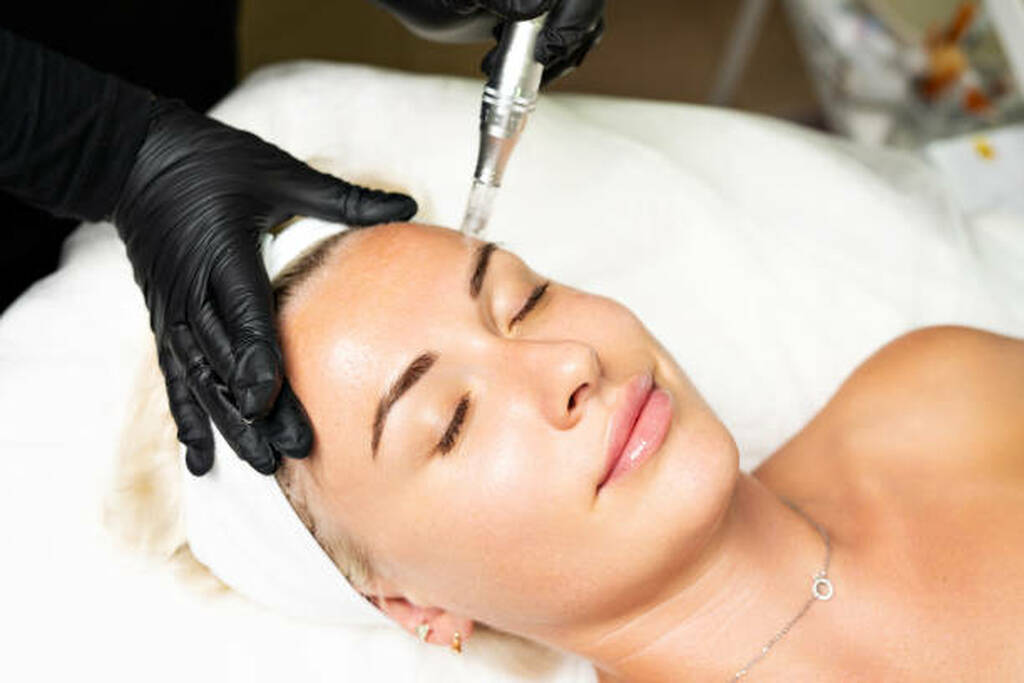
Microneedling is a cosmetic skin treatment that stimulates natural skin renewal by creating controlled micro-channels in the skin. This process supports improved skin texture, tone, and overall appearance.
Benefits of Microneedling?
brighter skin
plumper skin
Reduced appearance of cellulite
scars appear reduced (hyperpigmentation)
wrinkles appear smoother
stretch marks reduced
Is Microneedling painful?
Treatment is done using tiny needles to create micro injury to the skin. It is generally not painful although some can experience some mild discomfort. Light tingling sensation is normal which disappears quickly.
For 24 hours post treatment your skin can
feel slightly tight/ pink.
What areas can be treated?
Generally used for hands, face and neck area but the Dermaroller method can generally be used anywhere including the body!
Is it safe?
As with any medical procedure there can be potential risks involved. Generally serious complications are rare. Potential side effects of aesthetic treatments are listed here.
Millions of anti wrinkle injection have been performed. It has an excellent safety profile but as with any medical aesthetic procedure there are risks and side effects involved including:
- Injection site pain
- Bleeding and/or bruising
- Redness, itching, irritation
- Swelling
- Headache
- Nausea
- Poor cosmetic results
- Uneven effect on one side
- Drooping/ heaviness of the brow or eyelid
- Abnormal appearance of the brows
- Blepharitis
- Eye pain or visual disturbance
- Paraesthesia
- Muscle twitching
- Flu-like symptoms
- Anxiety symptoms
- Rarely, muscle or joint pains
You may not be suitable for treatment if you are:
- pregnant/ breast feeding
- have active skin conditions
- on certain medical conditions/ medications/ infections
- are unwell on the day of treatment
- had recent fillers
- hadrecent facial surgery/ implants
It is important to be honest about your medical history so that we can provide safe and effective treatment for you. Contra indications
- Pregnancy
- Keloid scars
- Active acne
- No use of sunbeds or sun exposure 1 week prior to needling
- Herpes labialis.
- Chronic skin disease like eczema and psoriasis
- Use of Roaccutane
- Blood clotting disorders
- Anticoagulant/ antiplatelet medications
Am I suitable?
Treatments are often more successful when the skin is in a good condition. (One of the reasons why we like skin rejuvenation!) However the appearance of fine lines and wrinkles can be reduced in even in those with static lines.You may not be suitable if you are:- under 25 or over 65 – pregnant/ breastfeeding/ trying to conceive- unwell/ have a neurological disorder- taking certain medicationsIt is important to be honest about your medical history so that we can provide safe and effective treatment for you.
Pre treatment advice
- avoid taking any anti- inflammatories such as ibuprofen 3 days prior
- avoid alcohol, fish oils. st johns wort, ginkgo biloba and vitamin E
3 days prior - take arnica if you are prone to bruising
- avoid sunbed and tanning 1 week prior
- inform us of any recent medical aesthetics treatments or any changes to medical history
Do not plan to have treatment within 2 weeks of an important social event or holiday as this may not allow enough time to have some correction if the desired result is not achieved.
Aftercare advice for microneedling
The following aftercare advice is essential to help reduce the risk of treatment complications, to improve your comfort/healing and to help achieve the best possible results from treatment.
Please follow the aftercare advice for Microneedling.
- The treated area of skin may feel slightly tender and appear red and swollen afterwards. You may occasionally experience skin peeling and appearances may be similar to mild sunburn. These effects will resolve naturally and should be much improved after 48 hours but may take longer to settle. You may experience some minor bruising which may take 1-2 weeks to resolve in some cases.
- Avoid any perfumes, fake tan or other harsh chemicals for 72 hours after treatment.
- Avoid any makeup for 24 hours after treatment as this can increase the risk of infection.
- Avoid rubbing or picking the treated area.
- Avoid any skin exfoliation for 72 hours following treatment.
- It is important to use a regular moisturising cream around two to three times a day on the treated area. Use more regularly if you feel the skin dry or peeling.
- Avoid any products that contain alpha hydroxy acids, retinol, and glycolic acid for at least 7 days after treatment.
- Avoid strenuous exercise, saunas, sunbeds and exposure to heat for 72 hours after treatments. These can cause sweating which can irritate the delicate skin and slow down your ability to heal quickly.
- Avoid swimming for 72 hours after treatment.
- Avoid any excess alcohol or caffeine for 48 hours after treatment.
- Wear SPF 30 or greater sunscreen for at least 2 weeks following treatment as your skin will be more sensitive to sunlight afterwards.
- Avoid any further cosmetic treatments e.g. dermal filler for 2 weeks following treatment, or ask your practitioner for advice.
- Avoid any hair removal treatments such as waxing for 2 weeks after treatment or until the initial redness and swelling has resolved.
- You must seek medical attention and contact your practitioner if you experience any signs or symptoms of infection after treatment. Infection can present as hot, red shiny skin, there may be pus formation and you may have a fever or feel generally unwell.
- You must contact your practitioner as soon as possible if you notice any other unwanted side effects.
- Your practitioner will advise when further treatment appointments are required. If you are advised to attend a follow up appointment, please do make every effort to attend them. You should do this even if you believe that the recovery process is going well and you cannot see that there are any visible complications.
- Do not pick or exfoliate
- Use gentle skincare only
- Apply SPF daily
- Expect mild redness or peeling
The following aftercare advice is essential to help reduce the risk of treatment complications, to improve your comfort/healing and to help achieve the best possible results from treatment.
Please follow the aftercare advice for dermaplaning.
- The treated area of skin may feel slightly tender and appear red and swollen afterwards. You may occasionally experience skin peeling and appearances may be similar to mild sunburn. These effects will resolve naturally and should be much improved after 48 hours but may take longer to settle. You may experience some minor bruising which may take 1-2 weeks to resolve in some cases.
- Avoid any perfumes, fake tan or other harsh chemicals for 72 hours after treatment.
- Avoid any makeup for 24 hours after treatment as this can increase the risk of infection.
- Avoid rubbing or picking the treated area.
- Avoid any skin exfoliation for 72 hours following treatment.
- It is important to use a regular moisturising cream around two to three times a day on the treated area. Use more regularly if you feel the skin dry or peeling.
- Avoid any products that contain alpha hydroxy acids, retinol, and glycolic acid for at least 7 days after treatment.
- Avoid strenuous exercise, saunas, sunbeds and exposure to heat for 72 hours after treatments. These can cause sweating which can irritate the delicate skin and slow down your ability to heal quickly.
- Avoid swimming for 72 hours after treatment.
- Avoid any excess alcohol or caffeine for 48 hours after treatment.
- Wear SPF 30 or greater sunscreen for at least 2 weeks following treatment as your skin will be more sensitive to sunlight afterwards.
- Avoid any further cosmetic treatments e.g. Botox or dermal filler for 2 weeks following treatment, or ask your practitioner for advice.
- Avoid any hair removal treatments such as waxing for 2 weeks after treatment or until the initial redness and swelling has resolved.
- You must seek medical attention and contact your practitioner if you experience any signs or symptoms of infection after treatment. Infection can present as hot, red shiny skin, there may be pus formation and you may have a fever or feel generally unwell.
- You must contact your practitioner as soon as possible if you notice any other unwanted side effects.
- Your practitioner will advise when further treatment appointments are required. If you are advised to attend a follow up appointment, please do make every effort to attend them. You should do this even if you believe that the recovery process is going well and you cannot see that there are any visible complications.
It is essential that you have read all of the information available. Once you have read and understood all of the below, please sign the declaration at the bottom of this form. Please do let your practitioner know if you have any questions or if you do not understand any of the aftercare instructions provided below.
I confirm that I have read and understood all the information on this Form and that I have been given the opportunity to ask any questions that have come to mind throughout.